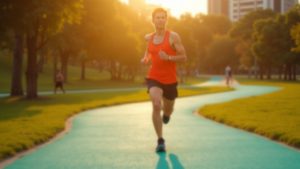
You’ve just finished a long run and you feel great. Your legs are tired but in that satisfying way that tells you you’ve put in the work. Right now, in this moment, soreness feels like a distant problem.
But here’s the thing: what you do in the next hour matters more than you might think. The choices you make right after you stop running can be the difference between waking up tomorrow feeling pleasantly tired or struggling to walk down the stairs.
Your muscles are in a specific state after a long run. They’ve been working hard, using up energy and creating tiny amounts of damage that your body needs to repair. Blood flow is high, your core temperature is elevated, and waste products from exercise are sitting in your muscle tissue.
This window of time is your best opportunity to help your body start the recovery process on the right foot. You don’t need to do anything complicated or time-consuming. A few simple actions, done consistently, can noticeably reduce how stiff and sore you feel the next day.
The good news is that reducing soreness after running doesn’t require special equipment or expertise. You probably already know most of what you need to do. The challenge is actually doing it when you’re tired and just want to sit down or grab a snack.
Let’s walk through the specific steps that make the biggest difference, starting the moment you finish your run.
Bring your effort down gradually instead of stopping cold
The moment you finish a long run, your instinct might be to stop completely. Maybe bend over with your hands on your knees, or just collapse onto the nearest bench. It feels natural after pushing hard.
But stopping suddenly can actually make soreness worse. Your heart is still pumping hard, your muscles are flooded with blood, and your whole system is revved up. Going straight to zero feels like slamming the brakes.
Instead, spend just five to ten minutes bringing your effort down slowly. Start with an easy jog for a minute or two if you can manage it. Then shift to a brisk walk. Finally, slow that walk down until you’re barely moving.
The goal is simple: let your breathing settle and your heart rate drop gradually. This gentle movement also helps your leg muscles start to relax instead of seizing up the moment you stop.
Where you finish your run will shape what this looks like. On a track, you can jog a lap and walk another. On a sidewalk, just keep moving in any direction for a few blocks. On a trail, walk back toward the trailhead at an easy pace. Even on a treadmill, you can drop the speed way down and walk for a few minutes before you step off.
This isn’t a workout. You’re not trying to hit any particular pace or distance. You’re just giving your body a chance to transition from work mode to rest mode without the shock of an instant stop.
Get out of sweaty clothes and keep yourself warm
The first few minutes after you stop running are when your body temperature drops fast. Your sweat-soaked shirt goes from warm to cold, and your muscles start to stiffen as they cool down. This is when that tight, achy feeling sneaks in.
Getting into dry clothes as soon as possible helps your body maintain a steady temperature instead of plummeting. When your muscles stay warm, they relax more easily and don’t lock up as much. It’s not about avoiding illness. It’s about comfort and keeping your legs from turning into wooden planks.
Start with your top half. A dry shirt and a warm layer over it make a huge difference because keeping your torso warm helps your whole body regulate temperature better. Then swap out your socks. Wet socks make your feet cold, which somehow makes everything feel worse.
If you’re stuck outside for a bit or need to drive home before you can shower, keep a bag in your car with the basics. A dry long-sleeve shirt, a hoodie or light jacket, and fresh socks will do the job. You don’t need to change everything right there in the parking lot, but even throwing a dry layer over your wet shirt helps.
Some runners bring a towel to wipe down quickly before changing. Others just peel off the wet stuff and pile on the dry layers. Either way works. The goal is simple: don’t let yourself sit around shivering in damp clothes while your muscles cool and tighten.
Rehydrate in a way that actually matches your run
You just finished your run and you’re thirsty. The instinct is to chug a huge glass of water and call it done. But that’s not always enough, and sometimes your body actually needs more than just plain water to bounce back properly.
Start sipping soon after you stop moving. Your body handles fluids better when you drink steadily over the next hour or two, not all at once. Think of it like watering a plant slowly so the soil actually absorbs it, rather than flooding it and watching the water run off.
Plain water works fine if your run was short or the weather was mild. But if you were out there for more than an hour, or if you were sweating hard in the heat, your body lost more than just water. You also lost electrolytes, which are basically minerals like sodium and potassium that help your muscles and nerves work right.
Here’s an easy test: if your shirt has white streaks or crusty salt marks after your run, you’re a salty sweater. That means you need to replace some of those electrolytes, not just water. Otherwise you might still feel off even after drinking plenty.
You don’t need fancy sports drinks for this. A glass of chocolate milk works great because it has natural sugars, protein, and sodium. Coconut water is another good option. Even a pinch of salt in your water bottle or eating something salty like pretzels alongside your drink can help. The goal is just to give your body what it actually used up out there, not follow some perfect formula.
Eat a simple carb-and-protein snack within the first hour
Your muscles have just burned through a lot of energy, and they need two things to bounce back: carbs to refill the tank and protein to patch up the tiny tears that happen during a long run. Getting both into your system fairly soon helps your body start the repair work before soreness sets in.
The magic window isn’t as strict as some people make it sound, but eating something within the first hour makes a real difference. You don’t need to overthink it or measure anything. Just aim for a small snack that has both elements.
Good options include a cup of yogurt with fruit, a glass of chocolate milk, toast with scrambled eggs, a simple smoothie, rice with tuna, or a banana with peanut butter. Pick whatever sounds good and is easy to grab. The goal is to make it simple enough that you actually do it.
If your stomach feels a little queasy or you have zero appetite right after running, that’s completely normal. Start with something lighter and gentler. Chocolate milk or a smoothie can be easier to get down than solid food. You can also go smaller than you think you need to. Half a banana with a spoonful of peanut butter still counts.
The key is not to skip this step entirely just because you’re not hungry yet. Even a small snack gives your body something to work with while it’s in prime recovery mode. You can always eat a proper meal later once your appetite comes back.
Do a short mobility reset, not an aggressive stretching session
Right after a long run, your muscles are tired and a little inflamed. This is not the time to push yourself into deep stretches or try to touch your toes with gritted teeth. Instead, think of this moment as a gentle check-in with your body.
What you want is mobility work, not a full stretching session. Mobility just means moving your joints through their natural range of motion without forcing anything. It’s about reminding your muscles they can relax, not proving how flexible you are.
Spend about five to ten minutes on easy movements that target the areas that feel tight after running. For most people, that means calves, hamstrings, hip flexors, and glutes. Try simple moves like standing calf raises, slow leg swings, or easy walking lunges where you just dip down gently and stand back up.
The key word here is gentle. You should feel a mild sensation of lengthening, maybe a light pull, but never discomfort or pain. If you’re breathing hard or bracing yourself, you’re pushing too hard. Think of it as coaxing your muscles open, not yanking on them.
Save the longer, deeper stretching for later in the day when your muscles have cooled down and recovered a bit. After a shower or before bed, when you’re relaxed, is a much better time to hold stretches for 30 seconds or work on flexibility. Right now, you just want to keep things moving and loose without adding extra stress to already fatigued tissue.
Use a few minutes of easy self-massage if you have it
If you have five or ten minutes after your run, a little self-massage can help shake off that heavy, wooden feeling that sometimes shows up in your legs later. This isn’t about fixing anything or working through serious pain. It’s just a quick way to help your muscles feel less stiff and cranky.
The easiest tool is a foam roller, but you don’t need fancy equipment. A lacrosse ball, a tennis ball, or even your own hands work fine. Some runners just spend a few minutes rubbing their quads and calves through their leggings while sitting on the couch. That counts.
Keep the pressure light to moderate. You’re not trying to create maximum discomfort or hunt down painful spots. Just move slowly over the big muscle groups like your quads, calves, hamstrings, and glutes. If something feels sharp, shooting, or genuinely weird, skip that area.
The goal is to feel like you’re giving your legs a little attention, not to achieve some specific therapeutic outcome. Think of it like gently kneading dough rather than scrubbing a tough stain. Slow, steady, and relatively comfortable.
Don’t worry about doing it perfectly or spending a lot of time on it. A few passes over each major muscle is plenty. This is optional, not mandatory. If you’re exhausted or short on time, skipping it won’t ruin your recovery. But many runners find that even a brief session makes their legs feel lighter and less tight the next day, which is reason enough to give it a try.
Don’t let your next hour turn into a stiffness trap
The moment you stop running, your body starts making decisions about how to repair itself. If you immediately sink into your car seat or collapse on the couch, your muscles essentially freeze in place. Blood flow slows down right when your legs need it most to clear out waste products and deliver fresh oxygen.
This is why your legs feel like wooden planks when you finally stand up an hour later. Your muscles have cooled down in a contracted position, and all that cellular cleanup work has stalled.
The fix is surprisingly simple: stay gently mobile for the first hour after your run. This doesn’t mean doing more exercise. It just means not being completely still.
Take a slow walk around your yard or block while you catch your breath. Unload the dishwasher. Stand in the shower instead of sitting in a bath right away. If you need to grab something upstairs, take the stairs slowly instead of waiting.
These tiny movements keep blood flowing without demanding anything from your tired muscles. Think of it as letting your engine idle down gradually instead of shutting it off at full speed.
If you have to drive home after a long run, this gets trickier. Try to stop halfway for two minutes to walk around the parking lot. Do slow ankle circles at red lights. The moment you get home, stand up for a few minutes before you sit down to eat or rest.
You’re not trying to stay active all day. You’re just preventing that initial lockup that happens when exhausted muscles go straight into storage mode. Give them an hour of gentle motion, and they’ll thank you tomorrow.